For years, cloud migration has been a major part of the modernisation agenda for asset management firms, and considerable progress has been made. Our latest research found that 92% of firms have migrated a significant proportion of their infrastructure to the cloud.
You might expect that level of progress to have solved some of the technology challenges firms have been grappling with. Yet 34% still cite difficulty integrating existing systems as a barrier to modernisation.
It’s an interesting disconnect. Moving infrastructure to the cloud is clearly an important step, but there’s more to creating a connected technology environment than migration alone. Existing applications, platforms and data still need to connect, and that matters even more as businesses look to make better use of their data, explore AI and get more from their existing technology.
Moving to the cloud is just the first step
Cloud migration can address some important technology challenges, but firms are rarely starting with a blank sheet of paper. Existing applications, platforms and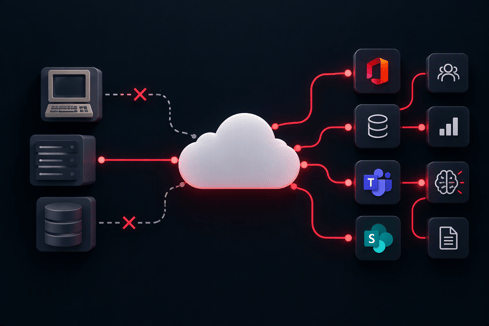 data still need to work alongside newer technology.
Over time, this can create a mix of old and new. Some systems may have been modernised, while others remain important to day-to-day operations. A firm can therefore be well advanced in its cloud journey and still have work to do to create an environment that feels joined up.
That helps explain why high levels of cloud adoption and ongoing integration challenges can exist at the same time. The migration itself may be well advanced, while the work of connecting systems and making information easier to use continues.
As firms ask more of their technology, those connections matter. Better access to data, more joined-up processes and new tools such as AI all rely to some degree on information being able to move between the systems that support the business.
Integration shapes what firms can do with their data
When systems don’t connect easily, the impact can extend beyond the technology team. Information can end up spread across different applications and platforms, making it harder to bring together and use consistently across the business.
The problem becomes more apparent when organisations want to do more with that information. Reporting, decision-making and newer AI initiatives all depend on being able to access the right data and use it in the right context.
Integration work can therefore play a much bigger role in modernisation than it might appear on the surface. Connecting existing systems can help reduce some of the friction around how information moves through the business and provide a better base for future technology projects.
For firms that have already invested heavily in cloud, the next step may be less about how much infrastructure has moved and more about how effectively the environment now works as a whole.
Modernisation doesn’t have a finish line
Completing a major cloud migration can feel like a natural milestone, but the technology environment around it keeps changing.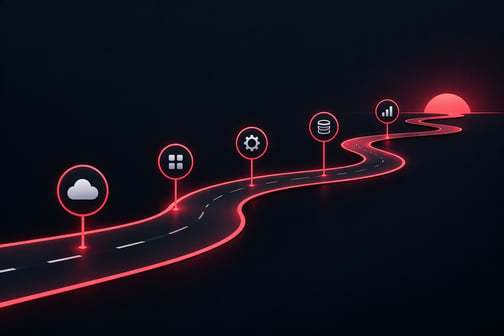
New applications are introduced, business requirements evolve and older systems can remain important long after newer technology has been brought in. Keeping everything working together becomes an ongoing job rather than something that can be solved once.
That makes it important to look beyond the progress of the migration itself and consider how well the wider environment is supporting the business. Disconnected systems can create extra work, make information difficult to access or share, and add complexity when firms want to introduce new technology.
Those are the areas where further modernisation can have an impact. The progress already made in the cloud gives asset managers something substantial to build on, but getting more from that investment means looking at the environment around it too.
Getting more from the environment you already have
For many firms, that doesn’t necessarily mean embarking on another large-scale technology project. There may be more value in looking at the environment already in place and identifying where existing systems are creating friction.
Those problems can show up in relatively ordinary ways. Teams may have to move information manually between systems, processes can take longer because applications don’t communicate effectively, or data may be available but difficult to bring together when it’s needed.
They can become more noticeable as firms introduce new capabilities. AI is a good example. Its potential depends heavily on access to useful information, so disconnected systems can make it harder to put that information to work.
Addressing those gaps can help firms get more from the technology they already have. The aim isn’t to keep modernising for the sake of it, but to make sure the environment supports what the business is trying to do and doesn’t become a barrier to what comes next.
Building on the progress already made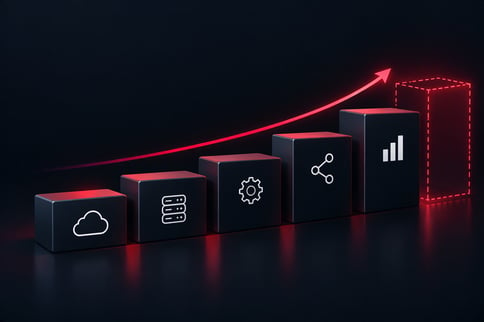
The scale of cloud adoption across asset management shows just how much progress firms have made. The fact that integration remains a challenge for some doesn’t undermine that progress, but it does show that migration alone isn’t the end of the modernisation story.
With much of the infrastructure already in place, firms can look more closely at how well systems connect, how easily information moves across the business and where friction is limiting what technology can deliver.
Getting those connections right will become increasingly important as organisations look to make more of their data, AI and wider technology investments.
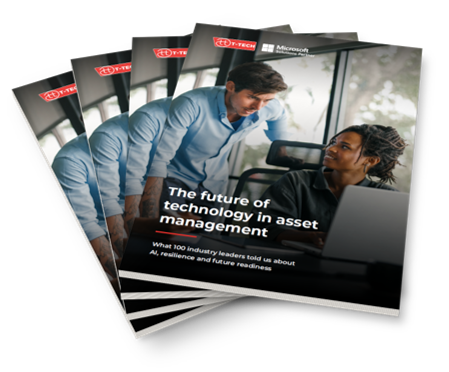
Our latest report, The future of technology in asset management, explores what 100 senior asset management leaders told us about cloud, modernisation and the wider technology priorities shaping the sector.
Download the report to read the full findings.